
SocietyPrevent. Treat. Rehabilitate.
Six months of stroke care, education and advocacy
Awards from the World Stroke Organization, awareness programmes across Sindh and Punjab, two new MoUs and a Masterclass on the way. This is what the Society has been doing since April.
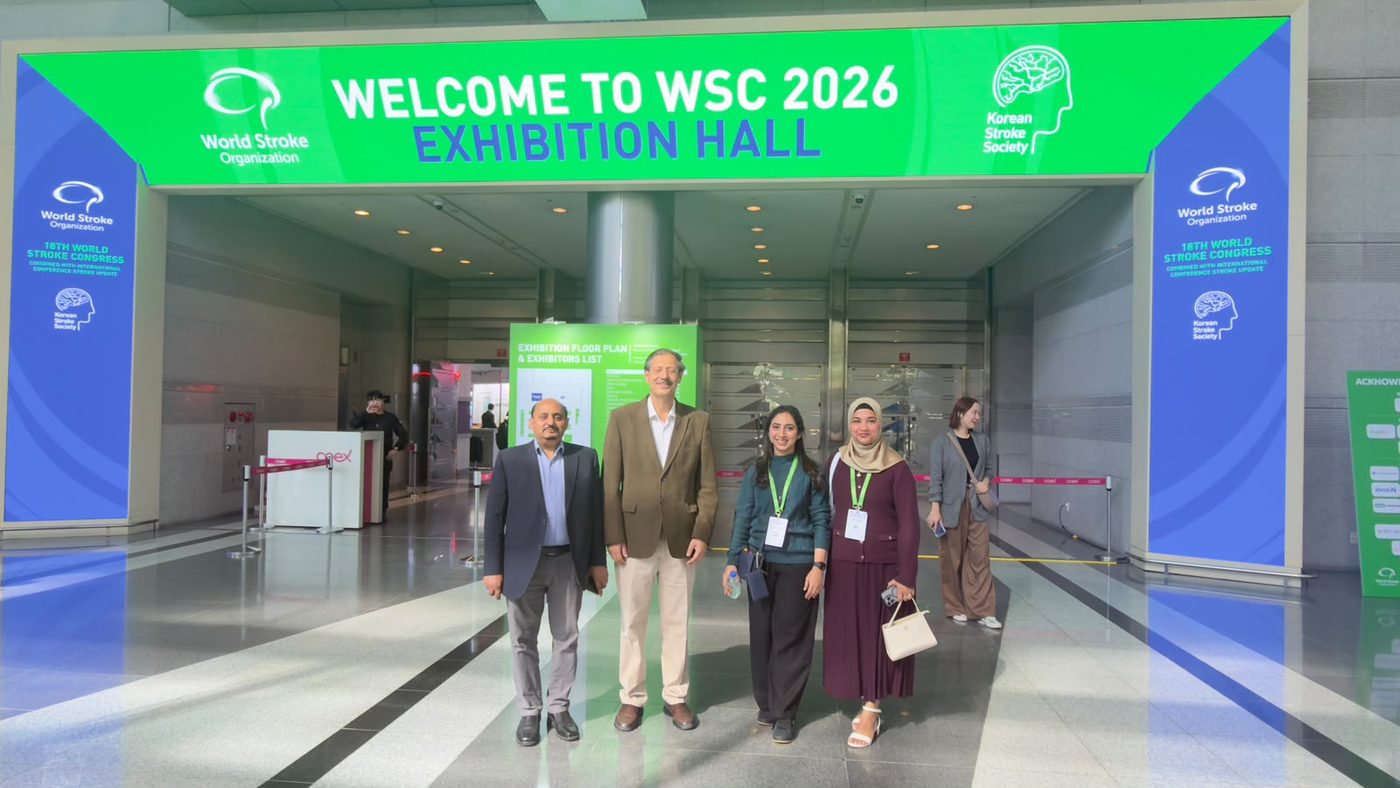
PSS at a glance
Six milestones from April to October 2026.
PSS Education Corner
Case Challenge: a clinical scenario on stroke-risk scoring in atrial fibrillation. Open each question to check your answer.
A 68-year-old woman with non-valvular atrial fibrillation presents for assessment of stroke risk. She has a history of hypertension but has no diabetes, heart failure, vascular disease, previous stroke or transient ischemic attack (TIA).
Q1. What is her CHA₂DS₂-VASc score?
Answer: Her score is 3: hypertension (1), age 65–74 years (1), and female sex (1).
Q2. Is there an update to this scoring approach in recent guidelines?
Answer: Yes. The 2024 European Society of Cardiology (ESC) Guidelines for Atrial Fibrillation recommend using the CHA₂DS₂-VA score, which removes the female-sex category from the traditional CHA₂DS₂-VASc score.
Q3. What would her score be using CHA₂DS₂-VA?
Answer: Her score would be 2, based on hypertension and age 65–74 years.
Q4. Why was the female-sex category removed?
Answer: Female sex is considered a risk modifier rather than an independent stroke-risk factor. The CHA₂DS₂-VA score focuses on clinical risk factors to guide anticoagulation decisions.
Q5. How does the updated guideline guide clinical decisions?
Answer: Under the 2024 ESC recommendations, oral anticoagulation is recommended for patients with CHA₂DS₂-VA scores of 2 or more and should be considered for a score of 1, after individual clinical assessment.
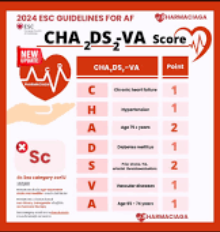
Key takeaway
The traditional CHA₂DS₂-VASc score remains in use in many clinical settings and guidelines. However, the 2024 ESC guidelines introduced CHA₂DS₂-VA, removing the sex-category point from stroke-risk assessment in atrial fibrillation.
PSS in Action
Pakistan’s stroke community at international stages and in hospitals and lecture halls across the country.
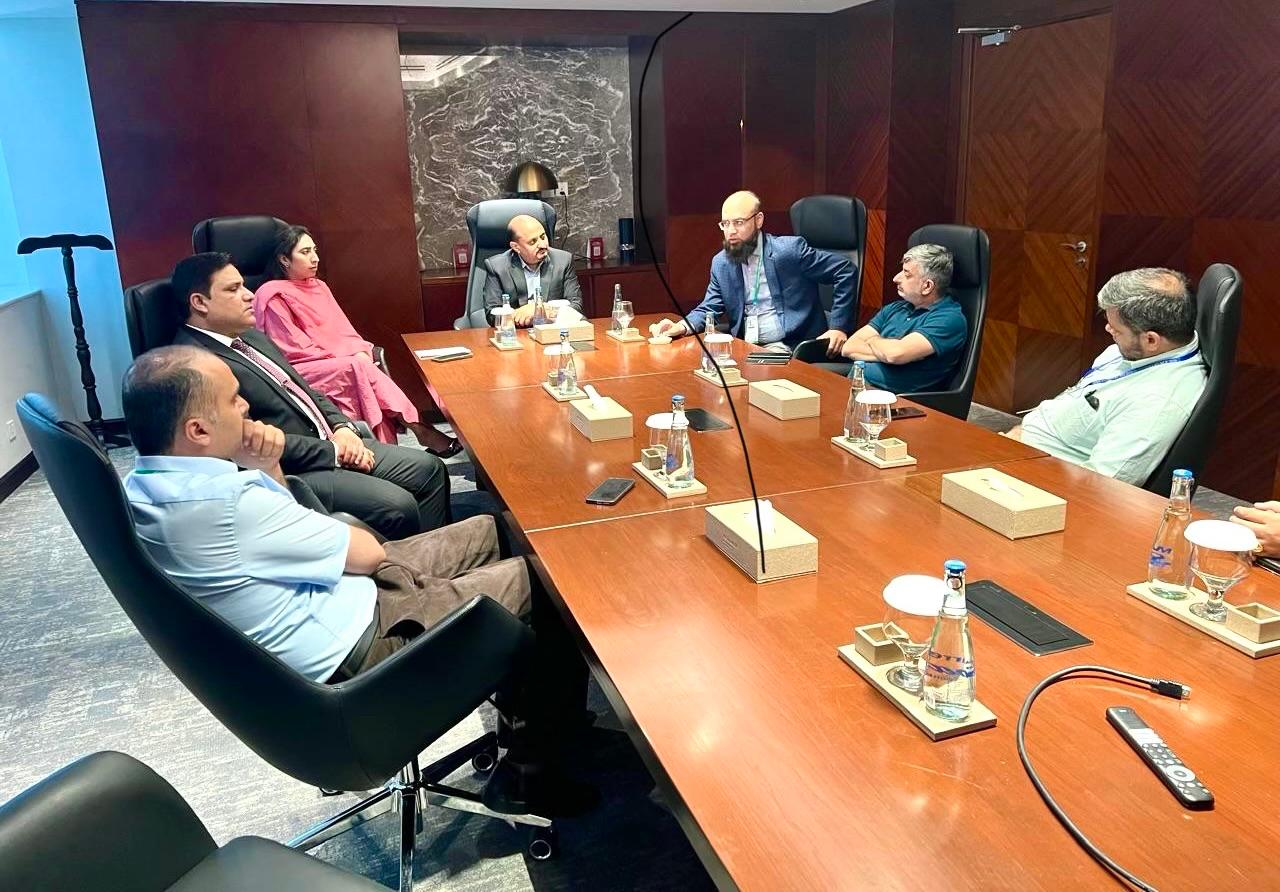
First Board Meeting
The first Board Meeting of the Pakistan Stroke Society was held on 4 July 2026.
International representation
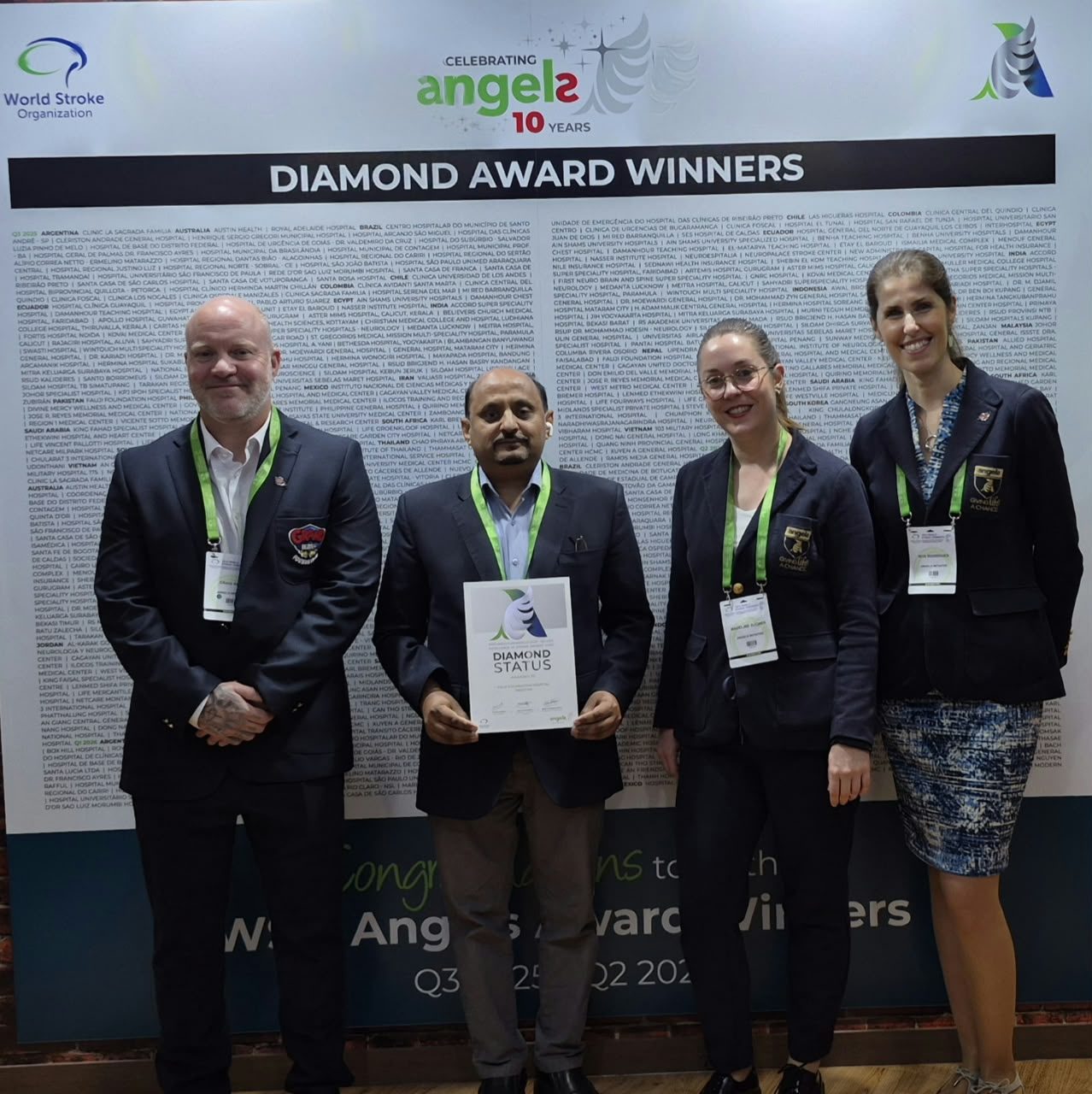
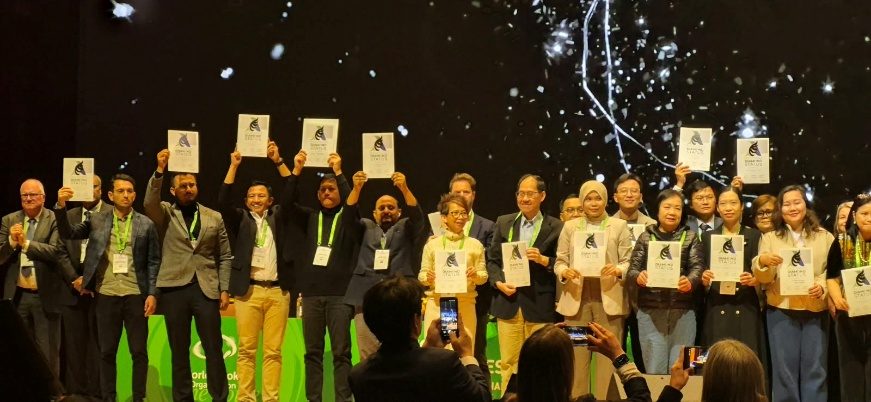
Dr. Husnain Hashim receives WSO Angels Awards
It was a privilege once again to receive the World Stroke Organization (WSO) Angels Awards on behalf of the following hospitals.
Diamond Awards
- Fauji Foundation Hospital, Rawalpindi
- Services Institute of Medical Sciences
Platinum Awards
- Allied Hospital, Faisalabad
- Evercare Hospital, Lahore
- National Hospital and Medical Center, Lahore
- NICVD, Karachi
Gold Award
- Holy Family Hospital, Rawalpindi
These achievements reflect the remarkable progress being made in stroke care across Pakistan.
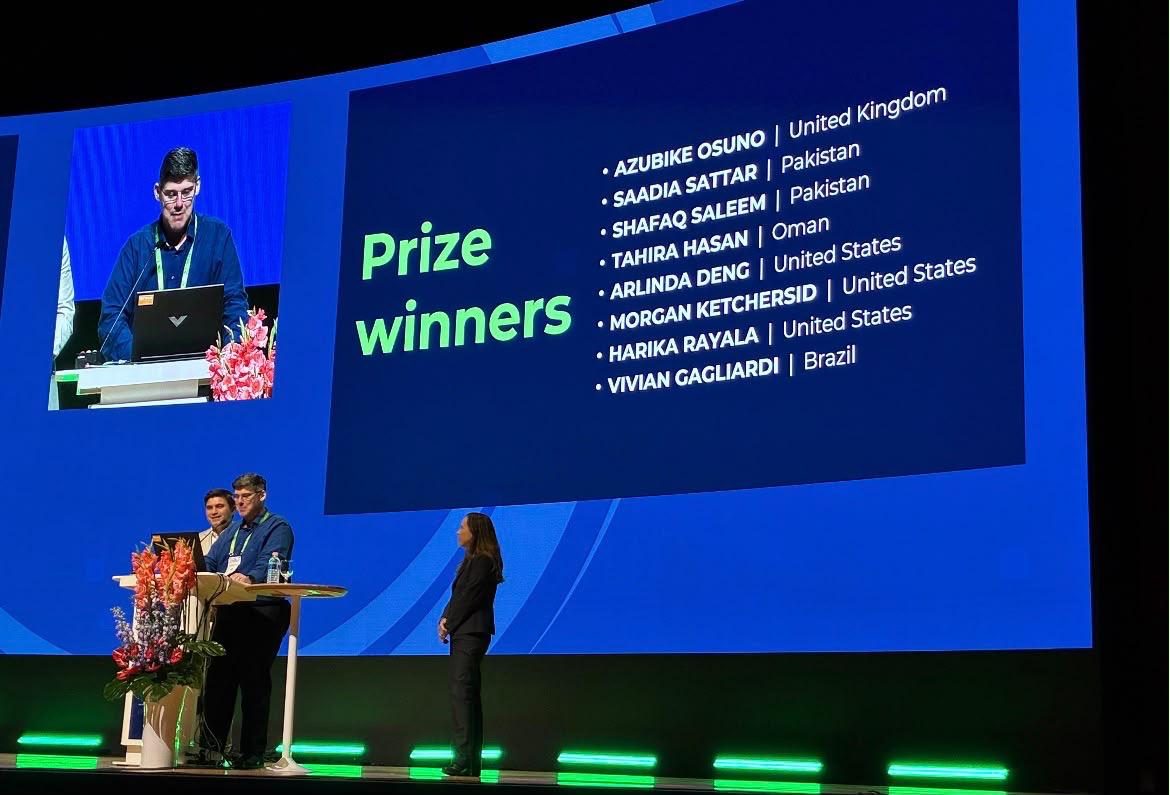
Stroke Escape Room: winners
Dr. Shafaq Saleem participated in the World Stroke Congress (WSC) 2026 in Seoul, South Korea, where she presented three posters showcasing her stroke research.
She also took part in the Stroke Escape Room competition, where her team secured a win. As a reward, the winning team was awarded complimentary registration for WSC 2027.
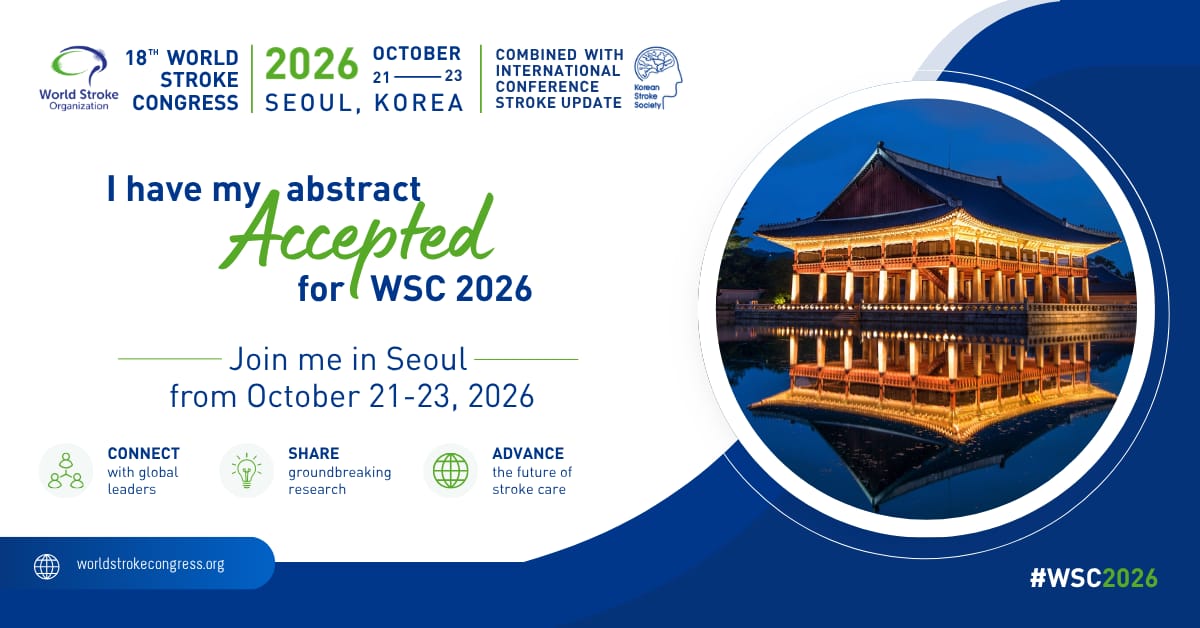
Poster accepted
Dr. Ayesha Ashfaq’s poster was accepted at WSO 2026, titled “Implementation on acute stroke care outcomes: experience from a high volume tertiary care center with 24/7 neuroimaging”, highlighting the international representation from Pakistan.
Awareness and education across Pakistan
Seminars, forums and live demonstrations led by PSS faculty from the Society’s platform.
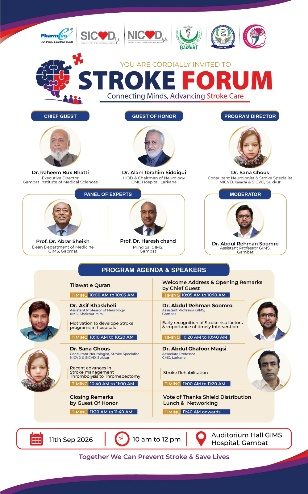
Gambat
A collaborative stroke forum initiative by the faculty of SICVD, NICVD, CMC, KMC and GIMS Gambat, under the platform of the Pakistan Stroke Society. It aimed to raise awareness about stroke prevention, early recognition and timely treatment in the community, and the need to open a new stroke center.
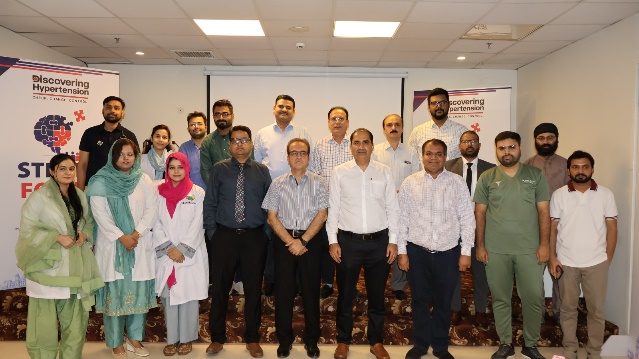
Sukkur
A stroke awareness program was organized in Sukkur to educate healthcare professionals and the public about stroke prevention, recognition and emergency management. The initiative emphasized early identification of stroke symptoms, the importance of timely hospital arrival, and access to life-saving treatments, including thrombolysis and mechanical thrombectomy.
The program aimed to strengthen community awareness and promote timely intervention to improve stroke outcomes across Upper Sindh.
Related reading: hemorrhagic stroke and uncontrolled hypertension at SICVD Sukkur (PJNS).
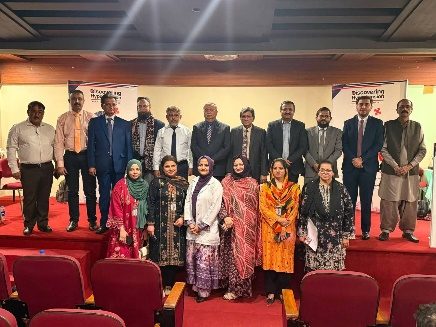
Tando Muhammad Khan
A successful One-Day Stroke Awareness Seminar was held at the University of Modern Sciences (UOMS), Tando Muhammad Khan, in collaboration with the Pakistan Stroke Society and led by Dr. Jai Singh.
Distinguished faculty from DUHS, LUMHS, PUMHS, UOMS and SICVD shared their expertise on stroke prevention, early recognition, acute management and timely referral.
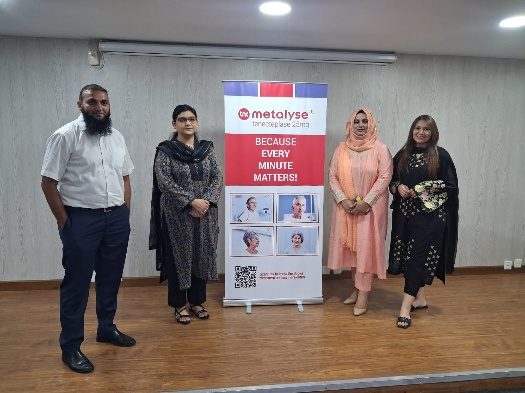
Lahore
Dr. Ayesha Ashfaq successfully led the stroke awareness session at Bahria International Hospital. It was followed by an interactive Q&A and a real-time patient demonstration.
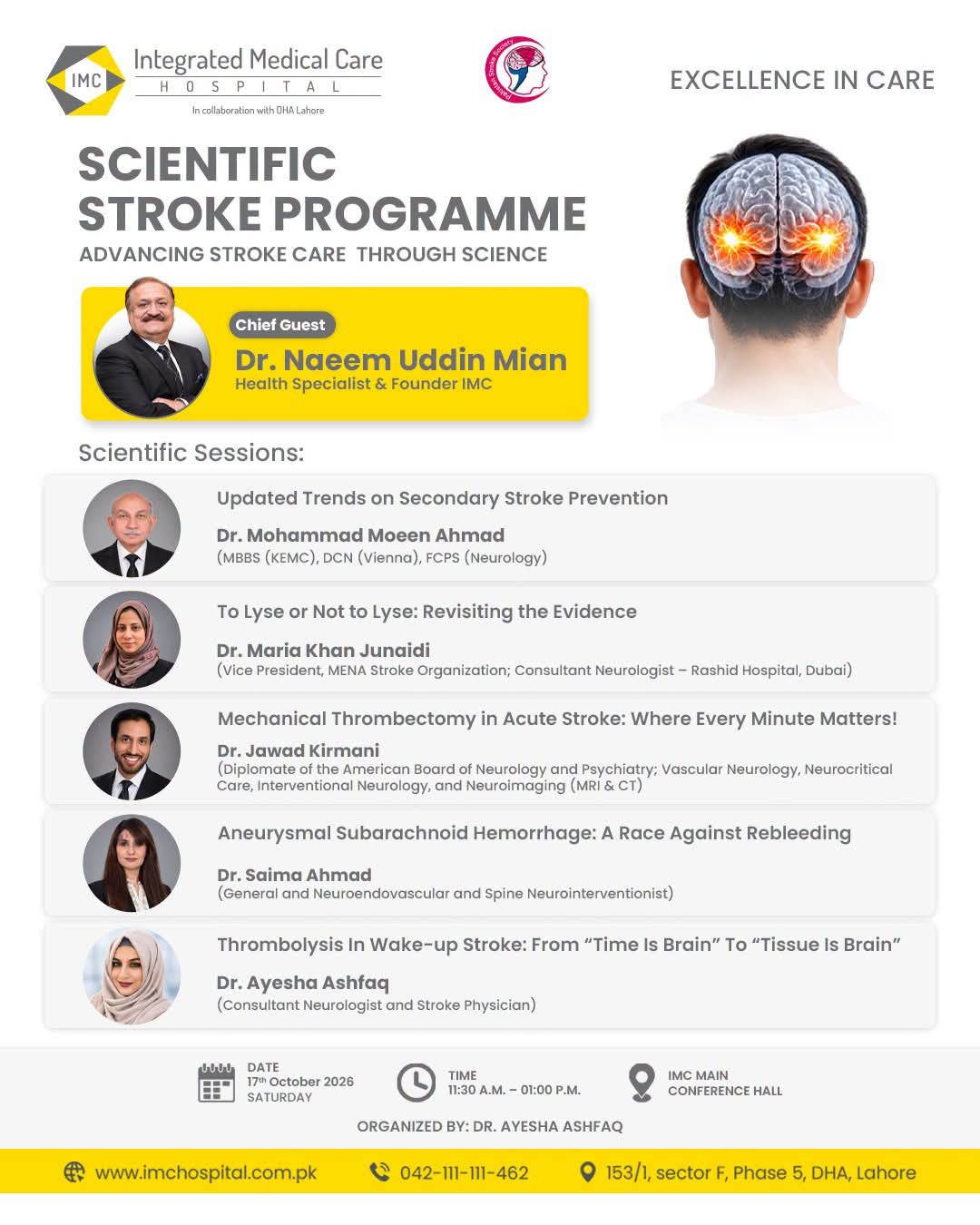
Lahore, IMC Hospital
Another stroke seminar was conducted at IMC Hospital, Lahore, bringing together stroke experts on advances in stroke management.
Larkana
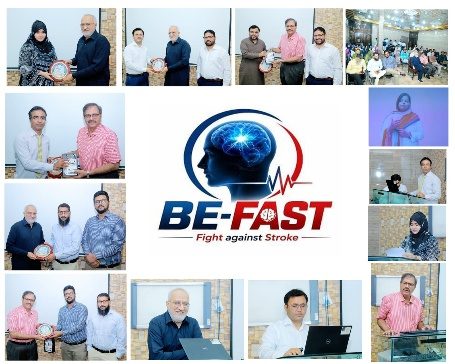
From the platform of PSS, a stroke awareness program in Larkana led by Dr. Sana showed enthusiastic participation towards raising stroke awareness.
Events like these strengthen collaboration among healthcare professionals and contribute to improving stroke services across Pakistan.
Enhancing stroke care: Stroke Unit inauguration
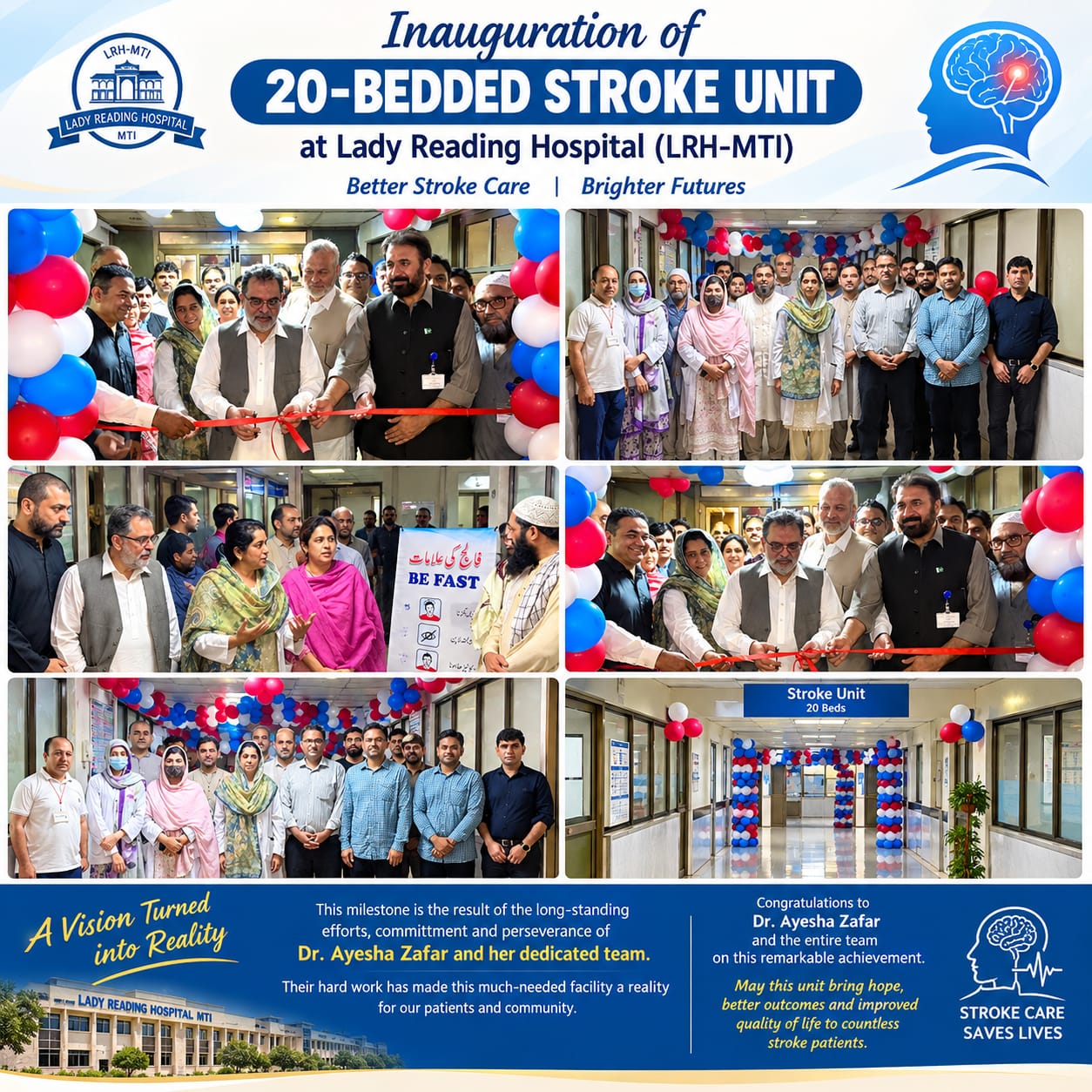
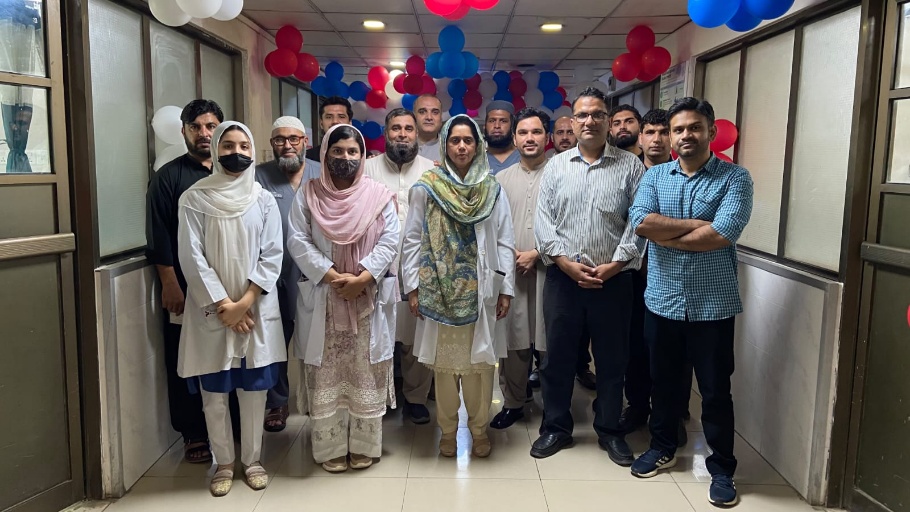
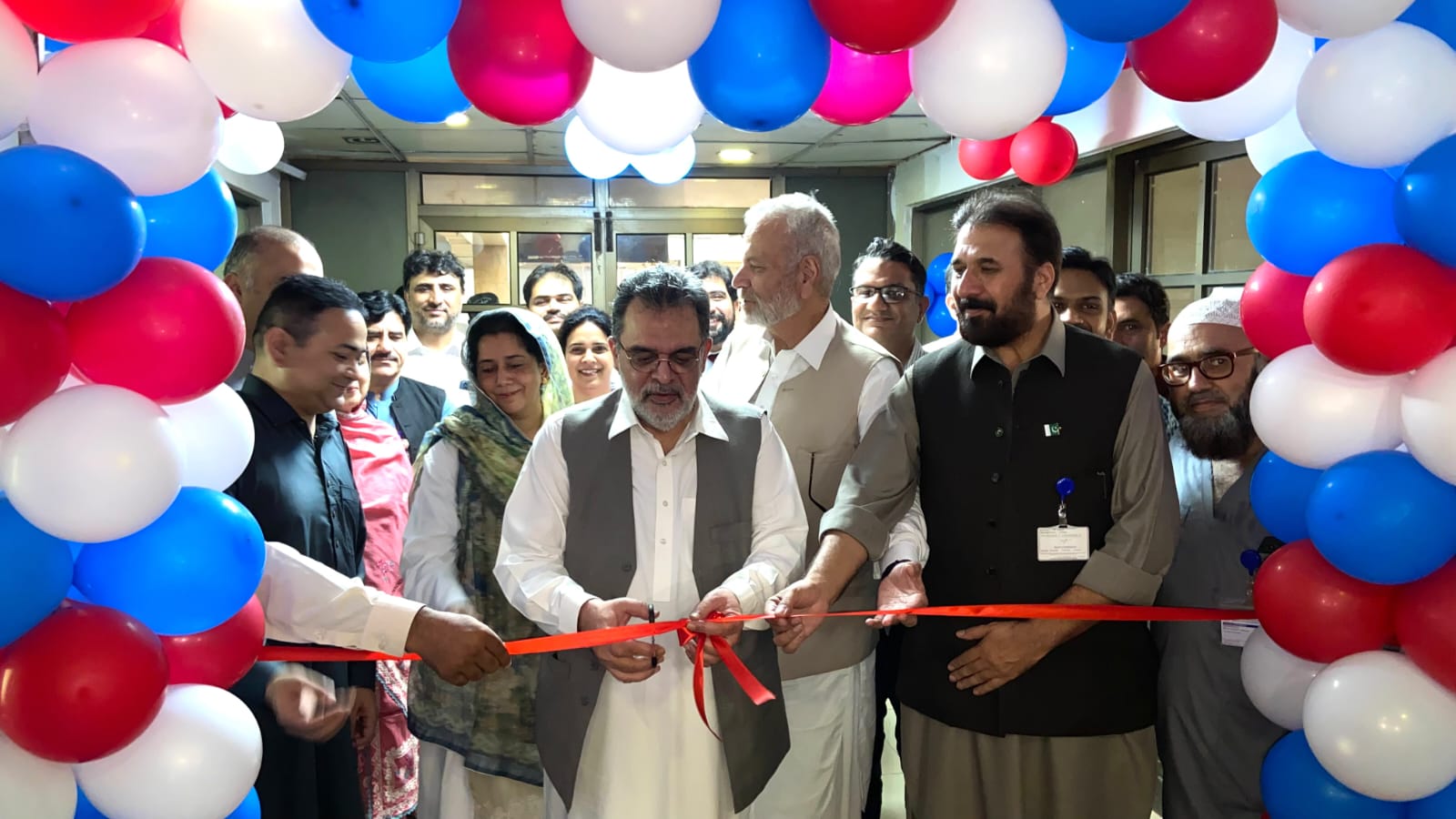
The Neurology Department at Lady Reading Hospital, Peshawar, has reached a major milestone with the inauguration of a dedicated 20-bed Acute Stroke Unit under the leadership of Dr. Ayesha Zafar, Head of the Neurology Unit. Already offering hyperacute therapies such as IV tPA/TNK, LRH is rapidly expanding toward establishing a full-fledged Comprehensive Stroke Center.
Lady Reading Hospital has recently inducted Dr. Muhammad Owais Khan, a pioneer in neuro-interventional procedures in Khyber Pakhtunkhwa, to lead advanced endovascular interventions. Dr. Ayesha Zafar’s continuous efforts reflect a steadfast commitment to delivering world-class, life-saving stroke care to the region.
Brain Attack Team (BAT) Workshops
For the past four years, Brain Attack Team (BAT) Workshops have been organized from the platform of Aga Khan University Hospital, under the supervision of Dr. Ayeesha Kamal and led by Dr. Shafaq Saleem.
The Pakistan Stroke Society (PSS) is pleased to collaborate with and endorse these workshops, which use high-fidelity, simulation-based learning aligned with international simulation-education standards. This approach provides hands-on, multidisciplinary training in acute stroke care and is supported by published evidence demonstrating its value in improving real-world clinical performance.
PSS encourages healthcare professionals to participate in these workshops to strengthen teamwork, decision-making and preparedness for time-critical stroke management. Stay tuned for upcoming BAT workshops and opportunities to participate.
Saleem S, Kamal AK, Aziz N, Hasan S, Khan AS, Mubarak F, Shakeel E, Durrani R, Qamar S, Sattar S, Asghar S, Hussain S, Gowani A, Shakil S, Khan A, Afzal B. Building confident cohesive stroke response teams: Design, implementation and outcomes of a stroke code simulation training program for interprofessional teams in LMIC. eNeurologicalSci. 2026 Feb 27;43:100606. doi: 10.1016/j.ensci.2026.100606. PMID: 41816550; PMCID: PMC12971993.
MoU Signings
Two new partnerships to train the next generation of stroke leaders and take awareness to the public.
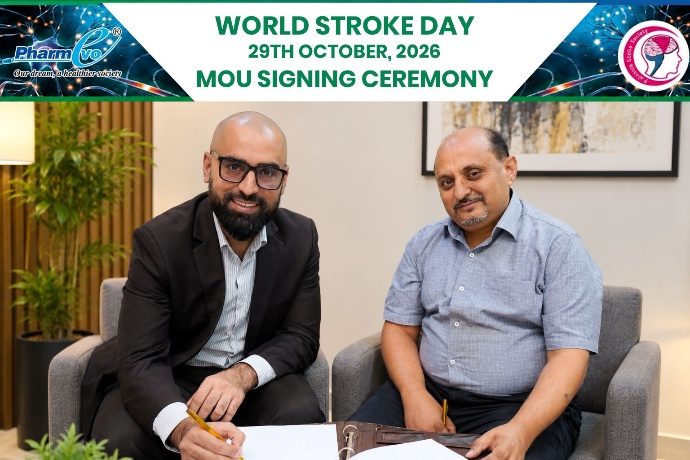
Stroke Leaders Track 2.0: continuing the legacy
Building on the success of its previous edition, the Pakistan Stroke Society (PSS), in collaboration with PharmEvo, is continuing the Stroke Leaders Track 2.0 throughout 2027. The programme brings neurology trainees together to present challenging stroke cases, share clinical dilemmas and experiences, and foster a collaborative approach to stroke management through peer learning and case-based discussions.
To support the continuation of this initiative, a strategic Memorandum of Understanding (MoU) was signed between PSS and PharmEvo in August 2026, represented by Professor Dr. Abdul Malik, Course Director, and Dr. Shafaq Saleem, General Secretary, Pakistan Stroke Society.
Regional sessions will be held across Pakistan throughout the year, according to faculty availability, culminating in a national finale at Stroke Con 2027, where selected winners will compete at the national level.
The initiative aims to sustain a culture of collaborative learning, clinical excellence and shared experience, strengthening the next generation of stroke leaders in Pakistan.
PSS signs MoU for a stroke awareness campaign
Dr. Husnain Hashim, as President of PSS, has signed a Memorandum of Understanding (MoU) for a stroke campaign across Pakistan. This collaboration aims to strengthen public awareness, promote stroke advocacy, and improve recognition of stroke symptoms and the importance of seeking timely medical care.
Through this initiative, PSS seeks to advance community engagement and support efforts to improve stroke outcomes nationwide.
Publications
Recent work from PSS members, and stroke-related articles from the Pakistan Journal of Neurological Sciences (PJNS).
- Aziz N, Saleem S, Sattar S, Sohail SH, Aamir SR, Ibrahim M, Kamal A. Minimally invasive surgery for patients with spontaneous supratentorial intracerebral hemorrhage: a systematic review and meta-analysis. Cerebrovasc Dis. 2026 Sep 18:1. doi: 10.1159/ced/accag026. Epub ahead of print. PMID: 42758657.
- Amna Tariq, Muhammad Adnan Aslam, Qasim Bashir, Sabina Nayab and Aamir Hayat. (2026). Assessing outcome of tPA therapy in patients with acute ischemic stroke (0–3 hours). Pakistan Journal of Medical Sciences, 42(8), 1914–1918. https://doi.org/10.12669/pjms.42.8.13372
- Ghous S, Kalwar MH, Butt MH, Vighio IA, Shah MA, Shaikh JK, Hassan M. Alarming rate of hemorrhagic stroke showing an urgent need for hypertension control: a retrospective study from a major stroke center in Sindh. Pakistan Journal of Neurological Sciences. 2025;20(2). Original article. Read the article · PDF · doi: 10.56310/pjns.v20i02.415
- Wahid E, Ahmad S, Humayoon N. Lack of multidisciplinary collaboration in stroke rehabilitation in Pakistan: a call for integrated care models. Pakistan Journal of Neurological Sciences. 2025;20(2). Commentary. Read the article · PDF · doi: 10.56310/pjns.v20i02.434
What is Next
Three things to plan for.
PSS Master Class: a holistic approach to stroke care
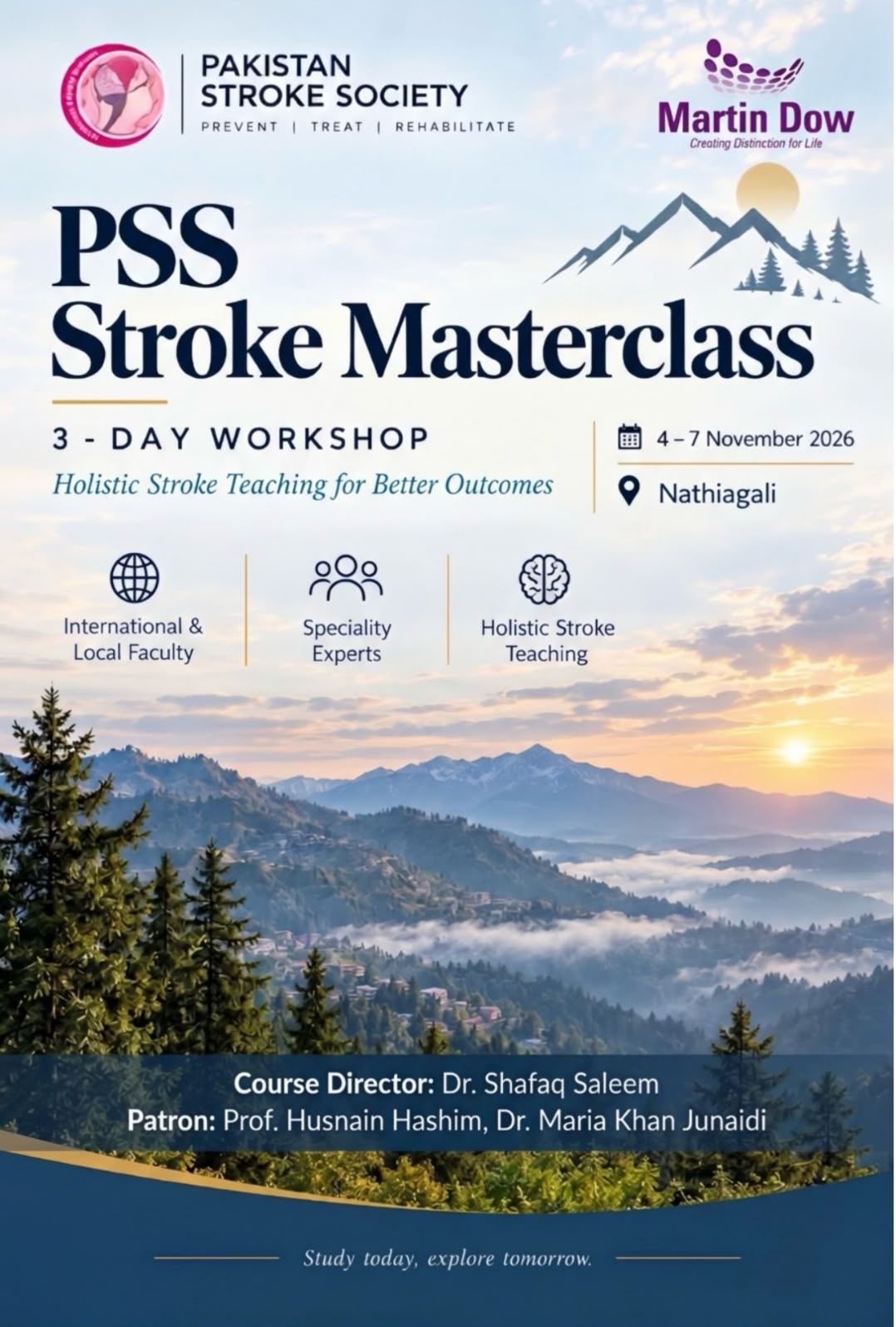
The Pakistan Stroke Society (PSS) is launching the PSS Stroke Master Class, an intensive 3-day experience in comprehensive stroke care. Local stroke experts and international faculty come together for a holistic review that spans the continuum of stroke management, from prevention and acute stroke care to secondary prevention and rehabilitation, integrating evidence-based practices with real-world clinical challenges.
The initiative aims to strengthen clinical knowledge, promote multidisciplinary learning, and equip healthcare professionals with practical approaches to improving stroke care across diverse healthcare settings in Pakistan.
The program is directed by Dr. Shafaq Saleem, under mentorship from Professor Dr. Husnain Hashim.
- VenueNathiagali
- Dates4–7 November 2026 (3 days in total, with half days at the start and end)